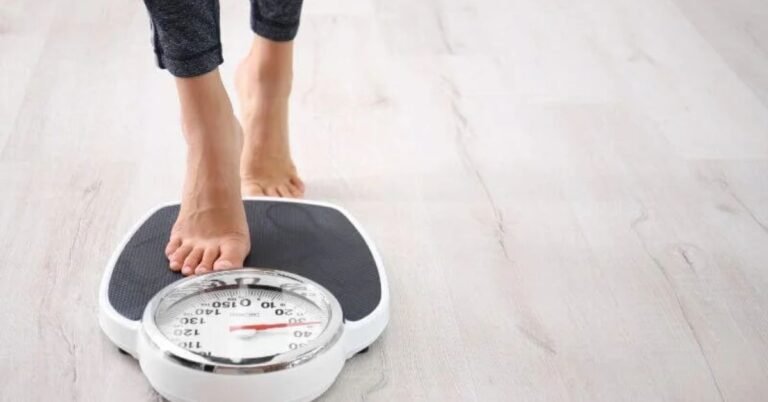
Reaching your goal weight with GLP-1 medications is a major milestone, but the next phase is just as critical: how to maintain weight loss after GLP-1 treatment ends. Many individuals worry about regaining weight once medications like semaglutide or tirzepatide are reduced or stopped. The reality is that long-term success depends on how well you transition from active weight loss to a sustainable maintenance phase.
This is where structured guidance becomes essential. RoenRx focuses not only on helping patients lose weight but also on building a long-term strategy that prevents regain. Understanding how your body adapts after GLP-1 medications and implementing the right habits can make the difference between temporary results and lasting success.
Why Weight Regain Happens After GLP-1 Medications
GLP-1 medications work by suppressing appetite, slowing digestion, and improving metabolic control. Once the medication is reduced or stopped, these effects gradually fade. Hunger signals may return, cravings can increase, and calorie intake may rise if habits are not firmly established.
This is why many people struggle with maintaining results. Without a clear GLP-1 weight maintenance plan, it becomes easy to revert to previous eating patterns. RoenRx emphasizes preparing for this transition early, ensuring patients build sustainable habits while still on medication rather than waiting until after stopping.
How to Maintain Weight Loss After GLP-1
Maintaining weight loss requires a shift in focus from rapid fat loss to long-term stability. The goal is not to continue losing weight aggressively but to stabilize your new baseline. This involves managing appetite, maintaining consistent habits, and avoiding extreme changes that disrupt your progress.
A structured approach, like the one used by RoenRx, ensures that patients move into maintenance gradually rather than abruptly. This reduces the risk of rebound weight gain and helps the body adjust to a new metabolic set point.
Build a Sustainable GLP-1 Weight Maintenance Plan
A successful GLP-1 weight maintenance plan is built on consistency rather than restriction. Instead of relying on the medication alone, the focus shifts to habits that support long-term balance.
Nutrition becomes the foundation of maintenance. A diet rich in protein, fiber, and whole foods helps control hunger and stabilize blood sugar levels. Protein is particularly important because it preserves lean muscle mass, which plays a key role in maintaining metabolism.
At RoenRx, patients are guided on how to structure meals in a way that supports satiety without overconsumption. This approach prevents the return of uncontrolled eating patterns once medication effects diminish.
Prevent Weight Regain After GLP-1
One of the biggest concerns for patients is how to prevent weight regain after GLP-1. The key is to maintain the behaviors that contributed to weight loss in the first place. Appetite may increase after stopping medication, but structured eating habits can help control calorie intake.
Gradual transitions are critical. Instead of stopping medication abruptly, tapering under medical supervision allows the body to adjust slowly. RoenRx supports patients through this process, ensuring that changes are manageable and sustainable.
Monitoring is equally important. Regularly tracking weight, measurements, and eating patterns helps identify early signs of regain. This allows for quick adjustments before small changes turn into larger setbacks.
The Role of Physical Activity in Maintenance
Exercise becomes even more important during the maintenance phase. While GLP-1 medications help create a calorie deficit, physical activity helps sustain it. Regular movement supports metabolism, preserves muscle mass, and improves overall health.
Strength training is particularly valuable because it maintains lean muscle, which directly impacts metabolic rate. Cardiovascular activity supports calorie balance and heart health. RoenRx encourages a balanced approach, helping patients find sustainable routines that fit their lifestyle rather than relying on extreme workouts.

Managing Appetite Without Medication
After GLP-1 medications are reduced, managing appetite becomes a priority. Hunger cues may feel stronger, but they can be controlled through strategic eating habits. Consistent meal timing, balanced macronutrients, and adequate hydration all play a role in regulating hunger.
Mindful eating is another key component. Paying attention to hunger and fullness signals helps prevent overeating. RoenRx integrates these strategies into its programs, ensuring patients are equipped to handle appetite changes effectively.
Long-Term Weight Loss Strategy for Lasting Results
A successful long term weight loss strategy focuses on sustainability rather than short-term intensity. This means avoiding extreme dieting, maintaining a consistent routine, and adapting habits as needed over time.
Flexibility is important. Occasional deviations from routine are normal, but returning to consistent habits quickly prevents long-term setbacks. RoenRx emphasizes realistic expectations, helping patients maintain progress without feeling restricted or overwhelmed.
Another critical aspect is mindset. Viewing maintenance as an ongoing process rather than a final stage helps reinforce long-term commitment. Patients who adopt this perspective are more likely to sustain their results.
See also: techlokeshorg
How RoenRx Supports Long-Term Success
Maintaining weight loss is not just about willpower; it requires strategy, structure, and ongoing support. RoenRx provides a comprehensive approach that extends beyond the active weight loss phase. Patients receive guidance on transitioning off medication, maintaining healthy habits, and adapting to long-term lifestyle changes.
The focus is on creating a system that works in real life. This includes personalized recommendations, progress tracking, and continuous support to ensure that results are not only achieved but sustained. By working with RoenRx, patients can confidently navigate the maintenance phase and protect their progress.
Conclusion
Understanding how to maintain weight loss after GLP-1 medications is essential for long-term success. While these medications are highly effective for fat loss, maintaining results requires consistent habits, structured planning, and ongoing support.
By following a clear GLP-1 weight maintenance plan, focusing on nutrition and activity, and implementing strategies to prevent weight regain after GLP-1, individuals can sustain their progress. With the guidance of RoenRx, this transition becomes more manageable, ensuring that weight loss is not temporary but a lasting achievement.
FAQs
1. How to maintain weight loss after GLP-1 medications?
Maintaining weight loss requires consistent eating habits, regular physical activity, and a structured plan. RoenRx provides guidance to help sustain results long term.
2. Can you prevent weight regain after GLP-1?
Yes, gradual transitions, habit consistency, and monitoring can prevent regain. RoenRx helps patients manage this process effectively.
3. What is a GLP-1 weight maintenance plan?
It is a structured approach that focuses on nutrition, activity, and behavior changes to sustain weight loss after medication.
4. Do you regain weight after stopping GLP-1?
Weight regain is possible if habits are not maintained, but it can be prevented with proper planning and support from programs like RoenRx.
5. What is the best long term weight loss strategy?
The best strategy focuses on sustainable habits, balanced nutrition, consistent activity, and ongoing support to maintain results.