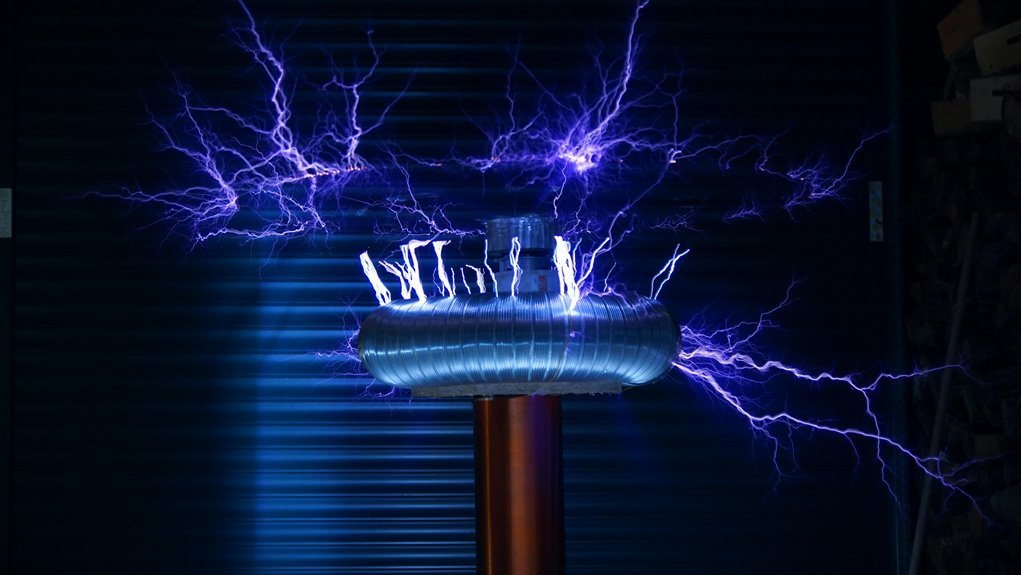
Titan Arc 662903270 Dynamics presents an analytical view of transient electrical phenomena, arc-driven systems, and their material responses. The discussion centers on modeling foundations, data-driven metrics, and validation strategies under extreme conditions. Core mechanisms link electrical signatures to insulation, fatigue, and thermal management. Performance challenges surface in reliability and accelerated life testing, with traceable data guiding optimization. The implications for high-performance industries suggest actionable targets, yet unresolved uncertainties require closer examination. A critical question remains: what underpins resilience in these complex dynamics?
Titan Arc 662903270 Dynamics: What It Is and Why It Matters
Titan Arc 662903270 Dynamics refer to the observed behavioral patterns and computational profiles associated with Titan Arc 662903270, a system characterized by complex oscillatory activity and multi-component feedback loops.
The analysis quantifies dynamic behavior, arc efficiency, and material fatigue implications, linking them to system reliability.
Data-driven metrics reveal performance bounds, failure indicators, and targets for resilience, informing design and operational decisions for freedom-focused innovation.
Core Mechanisms: Arc-Driven Systems, Materials, and Modeling Foundations
Core mechanisms in arc-driven systems arise from the interaction of transient electrical phenomena, material responses, and the governing modeling frameworks that integrate them. This analysis maps arc driven dynamics to systems modeling approaches, aligning electrical signatures with material behavior and validated simulations. It emphasizes rigorous data evidence, traceable assumptions, and transparent dynamics validation to support robust, freedom-conscious design and assessment.
Performance Challenges and Validation Strategies Under Extreme Conditions
What are the principal reliability risks when arc-driven systems operate under extreme conditions, and how can validation strategies quantify and mitigate them? The analysis identifies stochastic wear, insulation degradation, and runaway thermal excursions as primary threats. Validation employs dynamic optimization, accelerated life testing, and thermal resilience metrics, enabling calibrated models, scenario bounding, and robust design margins for reliable operation under severe environments.
Frontiers and Applications: Implications for High-Performance Industries
Frontiers in arc-driven systems reveal substantial implications for high-performance industries by outlining how dynamic reliability, rapid-response control, and scalable thermal management translate into tangible operational gains.
The discussion evaluates arc stability under variable loads, quantifies energy efficiency improvements, and links control fidelity to uptime.
Data indicate arc stability correlates with reduced waste and enhanced energy efficiency across process, propulsion, and manufacturing sectors.
Conclusion
Titan Arc 662903270 Dynamics converges into a disciplined portrait of complex oscillations and interwoven feedback. The data tell a story of arc-driven systems where transient electrical events illuminate material fatigue pathways and thermal stresses. Rigorous validation, accelerated testing, and traceable metrics tighten the narrative, guiding resilient design. In this synthetic crucible, insights crystallize like calibrated constellations: precise, measurable, and actionable, enabling energy-efficient operation and safer high-performance applications across demanding industries.