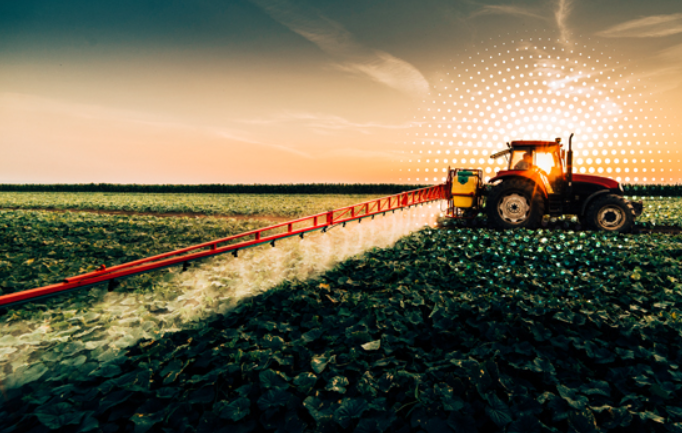
The rise of smart agriculture signifies a pivotal shift in modern farming practices. Advanced technologies such as precision farming and IoT devices are reshaping how farmers approach resource management and crop production. These innovations not only enhance efficiency but also contribute to sustainability efforts. As the global population grows and environmental challenges intensify, the implications of these advancements warrant closer examination. What strategies will emerge to ensure food security in an evolving landscape?
Key Technologies Driving Smart Agriculture
As the global population continues to rise, the agricultural sector increasingly relies on advanced technologies to enhance productivity and sustainability.
Key innovations, such as precision farming, utilize GPS and IoT devices to optimize resource use. Data analytics further empowers farmers to make informed decisions, analyzing soil health and crop performance.
Together, these technologies revolutionize agriculture, promoting efficiency and ecological responsibility, thus supporting a sustainable future.
Innovative Practices in Smart Farming
How can innovative practices in smart farming reshape agricultural outcomes?
Precision planting ensures optimal seed placement and density, increasing yield potential while minimizing resource waste.
Automated irrigation systems intelligently adjust water delivery based on real-time soil conditions, conserving water and enhancing crop health.
Together, these practices not only boost productivity but also empower farmers to make informed decisions, fostering a sustainable agricultural future.
See also: What is ProgramGeeks Hosting?
The Future of Food Production and Sustainability
While the challenges of climate change and population growth loom large, the future of food production and sustainability appears increasingly dependent on the integration of advanced technologies and innovative agricultural practices.
Vertical farming and precision irrigation stand out as pivotal solutions, enabling efficient resource use and maximizing yield in limited spaces.
These methods promise to reshape food systems, fostering resilience and ecological balance.
Conclusion
As the farmer sows seeds in the fertile soil of innovation, smart agriculture emerges as the guiding sun, nurturing growth and resilience in the face of adversity. Technology acts as the wise gardener, pruning inefficiencies and cultivating sustainability, ensuring the harvest of tomorrow’s food security. In this evolving landscape, the symbiotic relationship between nature and technology illustrates a vital truth: only by embracing these advancements can humanity hope to thrive amidst the challenges of an uncertain future.